For the CX group debate project, my team took the affirmative position for immigration reform and my members were Allyssa, Tumi, and Brian. Our opponents were Halli, Tre, Deonte, and Jane who took the negative position on our topic. For my team, we concentrated our two main constructive arguments on how the current system is already difficult, clunky, and expensive. An immigrant seeking citizenship in the U.S. must go through countless hurdles to make sure that they complete the entire process correctly and legally. There are various documents that need to be done, interviews, a health checkup, and a long waiting time. The money poured into the process does vary, but if the immigrant so much as faces one thing going south, such as a document getting declined for one reason or another or they fail an interview, they must restart the entire process. This can lead to that individual wasting a lot of time, money, and resources. Immigration should be reformed so that when an immigrant does try to go through the process to be an American citizen legally, it can be much smoother. Immigrants coming into the U.S. stimulate the economy, allow more room for innovation and increase the size of the labor force. For our rebuttals, my team brought up the fact that the effect that immigrants have on wages is minimal. Therefore, Americans do not have to worry about losing their jobs to immigrants. Immigrants may also take on blue collar jobs, such as working as a janitor or at a fast food place. Some ideas my team proposed for reform were shorter queue times, not having to restart the entire process from scratch, and increasing the number of immigrants that can go through the process. My team acknowledged that it is not ideal to allow every single immigrant to come to the U.S., the system we have today should at least be smooth for the select ones that go through the process legally and try to get the privilege to be a U.S. citizen.
I took the negative argument for why lying is sometimes justified and my partner took the affirmative. Here is my outline, which contains only my parts of the debate:
Hello, my name is Ambour Leal and I’ll be taking the negative argument of why lying is sometimes justified.
Cross exam-neg:
While most of us tend to tell the occasional white lie or may lie for less-than-innocent reasons throughout our everyday lives, I am here to talk about why lying is not always justified, even sometimes.
When you’re given the choice, to tell the truth, or lie– which would your first choice be? Telling lies of any degree to yourself or to others can have various repercussions– whether they be positive or negative.
Telling intentional lies to others can impact their mental health, trust in people and in you, and could sour even the best of relationships.
According to an article on Learning Mind, lying to others can lead the recipient to lack empathy in the future, stir their negative emotions, feel disrespected, and cause them to be more suspicious of other people (Davies, 2022).
Furthermore, the article goes over why people may lie, according to expert psychologist Dr. Ekman: some of the reasons include but are not limited to:
to protect others, avoid consequences of their actions, for power and control, to make themselves look good, to protect themselves from harm, to spare someone’s feelings, to keep a matter private, and for personal gain, among other reasons (Davies, 2022).
Regardless of your reason, consider why you wish to lie in the first place. I understand telling the truth in certain situations may be difficult or not the easiest thing to put into practice, but it is oftentimes the morally right thing to do and if you have been telling lie after lie, finally releasing the truth can be very freeing as you get it off your chest.
Negative opening:
If you were considering telling a lie– consider putting yourself in the shoes of the person you may lie to. Would you want to be lied to in that situation?
Telling a lie can lead to more lies being told. In a lecture, clinical psychologist Jordan Peterson associates telling lies with a hydra– after the first lie is told, one may have to tell more lies to keep up with the first, and the matter becomes much more complex than before. The heads represent the complexities we may face when telling lies and how at times these complexities simply continue to grow (Side Effects of Telling Lies, 2017). Whereas with the truth, you just have to tell it how it is, rather than worry about lies piling up or having to remember what you first lied about.
Choosing to not tell lies when you don’t have to could help you maintain your inner peace, mental health, and relationships, and is the morally right thing to do.
Regardless of your beliefs, religion, or background, I think we all can agree that telling the truth more often than not is better for society and the way we deal with relationships, ourselves, everyday life, and daily situations.
Negative closing:
Telling the occasional white lie is not necessarily a good thing for you, the people you’re around, or those you come into contact with. Needlessly telling lies that are obviously untrue, save face for you, or are morally gray could land you in hot water or make things needlessly complicated. I reassert the notion that it is better to tell the truth when you can as often as you can and that lying is not always justified.
Doing so may allow you to lead a simpler, honest life that is what it is. According to sociologist Christie Carter, living honestly and speaking one’s truth are very different things. For example, if a close friend asked you about their appearance, such as if they look bad in a dress and you have an opinion that might not be what they want to hear, you can instead not say it at all and instead ask them what they think about themselves (The Power of Truth Telling, 2017). There are times to keep your truth to yourself and to know when to speak it– and when silence is better than telling a lie. If you do not wish to lie but cannot tell the truth either– saying nothing at all is an alternative to consider.
Although being honest may not always have a positive outcome or telling a direct truth may reveal something unwanted, the truth of the matter is that although telling a truth and a lie both do have pros and cons. It is your choice to make the morally sound decision and be as direct and honest as you can in everyday life or to lie.
However, context does matter. Sometimes telling the truth is as simple as ripping off a band-aid, and is not as difficult as we may think in our minds. It is just a matter of whether you’re willing to choose to do it.
For my partner’s argument, they had focused on the idea that telling white lies occasionally is harmless, similar to how parents tell their kids about Santa or say a tooth fairy will come to collect their teeth if they leave them under a pillow. Other times, if you wish to spare someone’s feelings, then you may be inclined to tell a white lie. For these reasons, lying is sometimes justified.
However, for my argument, I focused on the idea that lying less (or not at all if you can help it) is much more ideal and could help you avoid complicated or messy situations. By living a more honest life, you could also live more freely and simply, without any worry of keeping up with the original lies you came up with or worrying about any situations getting worse because of dishonesty.
For this debate, I thought I did pretty well throughout it, at least when it came to speaking about what I had written for my outline. I tried to be engaging by making eye contact with my classmates and speaking loudly and clearly. However, there was a typo toward the end of my closing speech– one of my parts was written in such a way that it didn’t make sense and when it came time for me to read it aloud, I messed up my flow, tripped over my words, and had to flounder for something to say that made sense on the spot, so that did not look very good.
This could have been avoided if I had corrected the error beforehand, but it was missed. Looking back now, I would have been more throughout with my notes so that way when it was time to do my part and present my side of the debate, I won’t have to struggle the same way again.
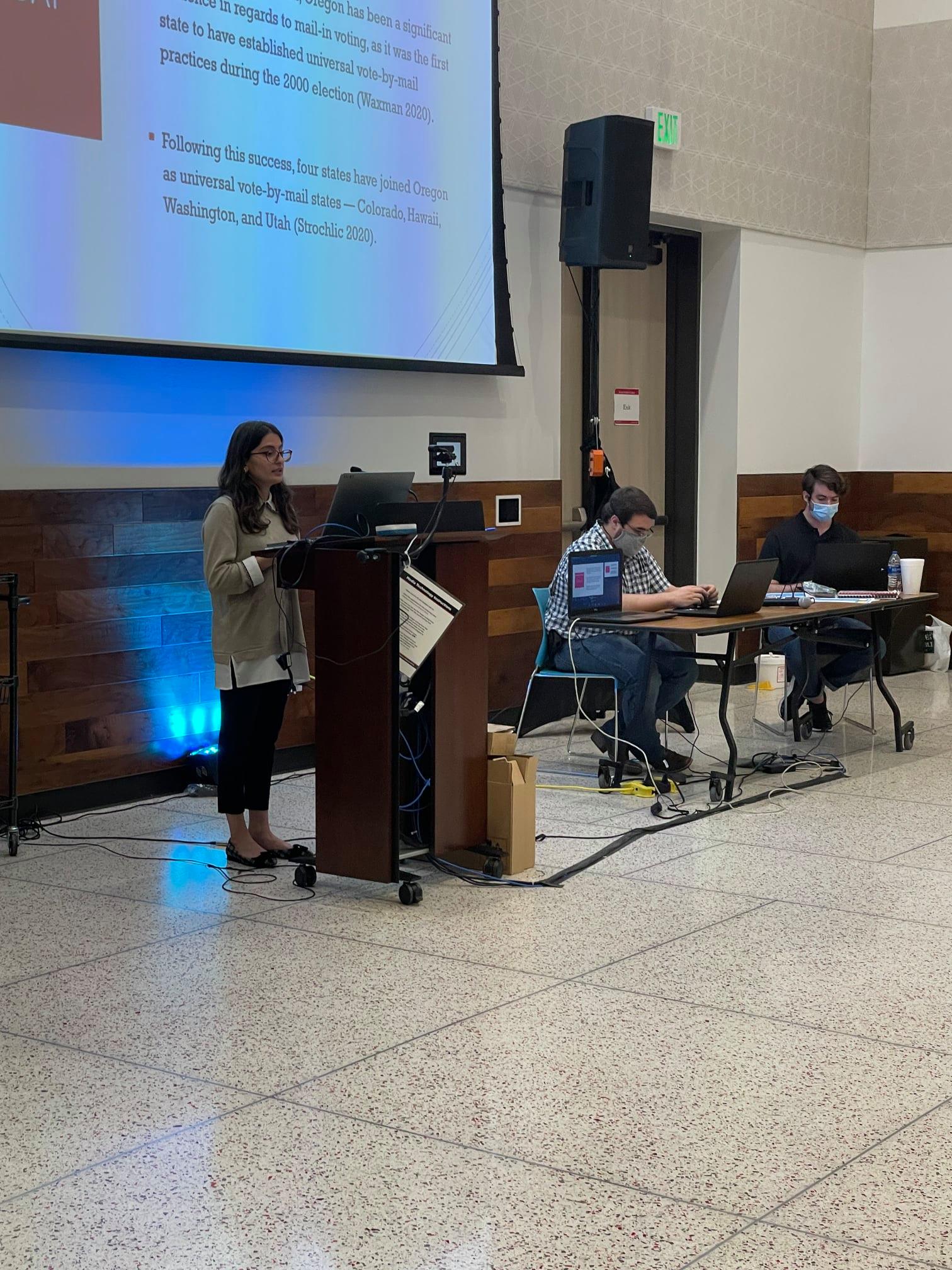
The recent legislative changes with Senate Bill 1 are more good than bad. Texas has recently joined other Republican states with this change following the 2020 election. Once the bill is fully approved and provided there is nothing else to hold it up, it will take effect just in time for 2022’s primary election (Ura, 2021). The bill will put forth new voting restrictions and make other changes that relate to voter access.
Republicans hope to standardize election practices and prevent voter fraud and the new bill will help make those ideas become reality. When the bill comes into effect, one of the changes that will take place will be an increase in early voting hours (Ura, 2021). People who choose to vote by mail or envelope must provide their diver’s license or the last four digits of their SSN and the numbers must match the numbers in their voter record (Ura, 2021). Other restrictions will further alter mail voting, ban overnight early voting hours, and do away with drive-thru voting. According to Gov. Greg Abbot, the bill will make it “easier” to vote and with measures like these, the American people can be assured the entire voting process is trustworthy and lawfully made for the sake of integrity (Ura, 2021).
The new restrictions and changes do not just raise barriers– they are set in place to make sure that not just anyone can vote but rather ensure that all the votes that are cast are authentic and are done so legally by American citizens. These measures will also make it more difficult for there to be voter fraud and will help standardize voting practices. To protect our country’s voting process and maintain the trust of the American people, SB1 must be passed.
Negative SB1 Argument
The recent legislative changes with Senate Bill 1 are more bad than good. Texas has recently joined other Republican states with this change following the 2020 election. Once the bill is fully approved and provided there is nothing else to hold it up, it will take effect just in time for 2022’s primary election (Ura, 2021). The bill will put forth new voting restrictions and make other changes that relate to voter access.
The new restrictions and changes to voting could disproportionately negatively impact voters from colored or marginalized groups. Additionally, voters with disabilities may also be negatively impacted by the bill. Those who give voter assistance or take initiative to distribute applications to vote can face criminal penalties, even if for the latter the applications are provided to voters that do qualify to vote by mail (Ura, 2021). These are just some of the changes that the bill will bring and while Republicans push the narrative that the bill will help standardize voting practices, make voting easier, and prevent voter fraud, it is evident that the potential effects this bill could have on the American people could miss the mark completely, especially when it comes to the overall ease of voting.
According to the article, the bill “creates new hurdles and restrictions that will suppress voters and violates the U.S Consitution and numerous federal laws,” (Ura, 2021) which states plainly why the SB1 is not good for our country or for the American people as a whole. Considering all these cons, is passing a bill like this really worth it? If passing a bill into law that violates preexisting laws, wouldn’t that alone be conflicting enough? If one takes a moment to ponder these questions, the cons of the bill, and how it could affect every Texan, then it is easy to see that the SB1 must not be passed.
For this SPAR debate, I had taken the position that Doja Cat was a better singer than Snoop Dogg. My reasons for this were because of her versatility as a music artist within the industry (since she can rap, sing, and dance), her youth and relatability, and how likable her personality is. Plus, she doesn’t take the industry and songwriting business too seriously, so she knows how to have fun as she writes catchy lighthearted bops. My partner took the position that Snoop Dogg was a better singer.
Overall, I thought my first SPAR debate went okay, considering it was the very first one I had ever done. I have a tendency to stumble over my words and mispronounce words, so this is a common issue throughout all my debates in this course. I did not think to ask questions or anything, so I noticed that someone of my classmates tended to ask each other questions during their debates. I thought all my other classmates did very well– some of their topics did not always rely solely on research and dealt more with morals/ethics, which can be subjective but it can also offer interesting debates when there are two sides that do not share the same argument.
Listening to loud music with headphones daily will lead to slight or severe hearing loss over time. Most teenagers suffer from slight or severe hearing loss in our modern age. The article I chose did cite outside sources and research to back up its claims, such as how as much as thirty-three percent of teens with some degree of hearing loss has increased since 1994 and this info is from a published study by the American Medical Association (Heffernan, 2011). Further statistics from this source shared by the article state that many modern teens seem to have trouble making out certain sounds such as falling raindrops and certain consonants due to their hearing loss (Heffernan, 2011). However, the article pulls information from more than one source, which does strengthen its main argument, such as referring to an older 2008 European study that pointed out that people who listen to MP3 Players, smartphones, or iPods at high volumes regularly are at a high risk of having permanent hearing loss after a duration of five years (Heffernan, 2011). Since many teens in countries like the US nowadays have more access to headphones and devices which allows them to listen to music at high volumes for as long as they please, they are more susceptible to hearing loss today than several decades ago.
Toulmin Essay: An Argument Against Headphones
In our modern age, as of 2022, technology has become a vital and common aspect of our daily lives, at least for the US and other first-world countries like it. Technology is much more accessible to people of all classes and backgrounds, at least compared to several decades ago. Nowadays, it is very common for the American youth of today to have devices like smartphones, tablets, and computers from which they could access the internet, communicate, listen to music, and do a plethora of other things. With headphones, they could privately listen to whatever music or sound they want, at various levels of volume. Teens today suffer from hearing loss from regularly blasting sound from their devices through headphones.
The article points out a study done by the Journal of the American Medical Association which shares the startling figure that there has been a 33 percent increase in the amount of teens who have slight hearing loss since the 1900s (Heffernan, 2011). Furthermore, since the 1990s, with children now growing up with more advanced technology and the use of smart devices and headphones is the norm, experts associate this slight hearing loss with consistent headphone use (Heffernan, 2011). Even if a person does not play music on their headphones, sound is still sound. Anyone with common sense would know that blasting sound with headphones too loudly is bad– but that alone is not the only thing to be concerned with when it comes to headphone users. Whether it is listening to a video clip online, a podcast on an app, or anything that has some sort of audio, consistently listening to that said audio on a daily or semi-daily basis can still lead to hearing loss. Another study done in 2008 found that teens who consistently used headphones to listen on their devices for more than an hour a day risked permanent hearing loss after five years (Heffernan, 2011).
The connection to hearing loss and headphone use to listen to sound is clear. Headphone users that listen to some sort of sound on a daily or semi-consistent basis could also deal with hearing loss after a prolonged amount of time. There are two possible solutions– if one decides to take some kind of action. Headphone users should try to reduce how often they use headphones to listen to sound in an effort to protect their hearing rather than quit cold turkey or they can play whatever audio they want to listen to out loud (Heffernan, 2011). Both solutions can help headphone users protect their hearing and take some measures to do so. After all, even if a headphone user doesn’t want to give up their headphones that easily, the next best thing is moderation. One may also wonder whether sound played too loudly without headphones can also lead to hearing loss– of course it can. However, consistently playing any kind of audio at a reasonable decibel level aloud is more ideal than listening to audio with headphones– as pointed out by the studies mentioned in the article.
For the first discussion, I believe there are pros and cons for the social media bill that should be dealt with on a case-by-case basis and can also be incredibly subjective. However, the cons of the bill should also be considered. I think the passing of this bill deals with politics quite a bit, perhaps to the extent that it was primarily politically motivated.
Here are two of my classmates posts:
This was a hard decision for me to come to. When I first read about it I thought that it did sound kind of crazy that social media companies can just block or get rid of any user without any notice or explanation. But then I remembered when Trump was banned from Twitter, and then subsequently other social media platforms. I was happy at the time. Same with Andrew Tate recently being kicked off multiple social media sites. I’m happy about that too. This bill is no doubt in response to Trump being banned. When I saw that it was a Republican-backed bill, I had to question myself, did I actually agree with Republicans at first? Yeah, I did. I was shocked. But then I read it again and looked more into the bill. The keywords here are “prohibit social media companies…from blocking, banning, demonetizing or discriminating against a user based on their viewpoint”. There are some very harmful people, with very harmful ideologies on social media. Those people should be banned from spreading their viewpoints, especially since the demographics of social media usage gets younger and younger every year. While I do believe in freedom of speech and self expression, if someone is spreading hateful or harmful information, they can do it on sites that don’t take action against them.
By Gabrielle Gaspard
I think that the wording of this bill is way too vague. On the surface level, a bill that requires social media companies to disclose the reasons why they ban people and that limits the reasons why users can be banned sounds like a good idea. However, due to the vague terms that they outline in the bill, I worry that it can be misused to defend people who deserved to get banned. Many people view homophobia, xenophobia, transphobia, and sometimes racism or misogyny as “just what I believe”- could these viewpoints be unbannable under SB 12? At the end of the day, I doubt any social media platform is banning users for discussing their political beliefs or saying that they want different policies. What they are banning people for is being openly bigoted. While we have free speech, we aren’t free from the consequences of what we say. If someone is being hateful or bigoted, I believe that they deserve to be banned.
I do believe that requiring social media companies to disclose their moderation policies is a good idea. However, if we’re looking into how moderation happens, I would like to actually fix the broken systems that many social media companies have instead of simply requiring them to be disclosed. Accounts having content removed for seemingly no reason or getting suspended, banned, or shadowbanned with no explanation is a serious problem on many social media sites, and that’s a problem that I feel needs to be addressed.
In theory, this bill is a good idea- many social media platforms have bad moderation systems that should be corrected, but that’s not the focus of the bill. The part of the bill that worries me is the anti-ban section. The wording is too vague and in theory, could allow for people to argue against being banned for espousing bigoted views. Because of that, I do believe that this is a “bad” bill. I believe that social media platforms have the right to decide the kind of content they want on their platform to an extent. They shouldn’t be banning people for things they can’t control, like their race, gender, or sexual orientation, but if a company doesn’t want hateful or harmful views being expressed on their platform, they have the right to remove that content or the account that posted it.
The Office of Undergraduate Research created a workshop to assist students in developing research strategies to improve their Summer Undergraduate Research Fellowship grant proposals.
“Research is the foundation for higher education,” Alyse Jordan, head of research, engagement, and learning said. “The workshop gives students an opportunity to evaluate and identify academic resources, develop keyword strategies, and provide the framework to synthesize their resources.”
Workshops are held both in-person and through a Zoom meeting online for any students interested in joining. A recent workshop hosted by Dr. Alyse Jordan on Thursday, April 21 focused on areas to help students develop their research strategies.
“We want students to be proficient in writing references, citations, and to be professional in the sense of not claiming the work of others,” Cristian Brahim, director of undergraduate research said. “I think this helps a great deal in the fluency of their narrative because it’s not just citations, but you see how others develop their ideas and how they build an argument.”
The Summer Undergraduate Research Fellowships is a competitive program in which a student is given 10 weeks over the course of the summer to research a topic with a LU mentor and submit their proposal.
The submission deadline is around Feb. 20-25 every year and students who become part of the program will receive a $2,000 stipend to spend how they choose, $500 in travel expenses after the project is completed, $1,000 in research support, and free Cardinal village housing from the end of Commencement until the end of the summer, Bahrim said.
“There is a lack of awareness of how to build up your literature– in terms of content, layout, how you present it at the end,” Bahrim said. “Dr. Jordan tries to address these issues.”
The workshop is not just open to students who are part of SURF, but all students who are interested in learning about research strategies.
“Students have indicated that the workshops have assisted them in locating academic resources and writing literary reviews,” Jordan said. “All LU and LIT students are welcome.”
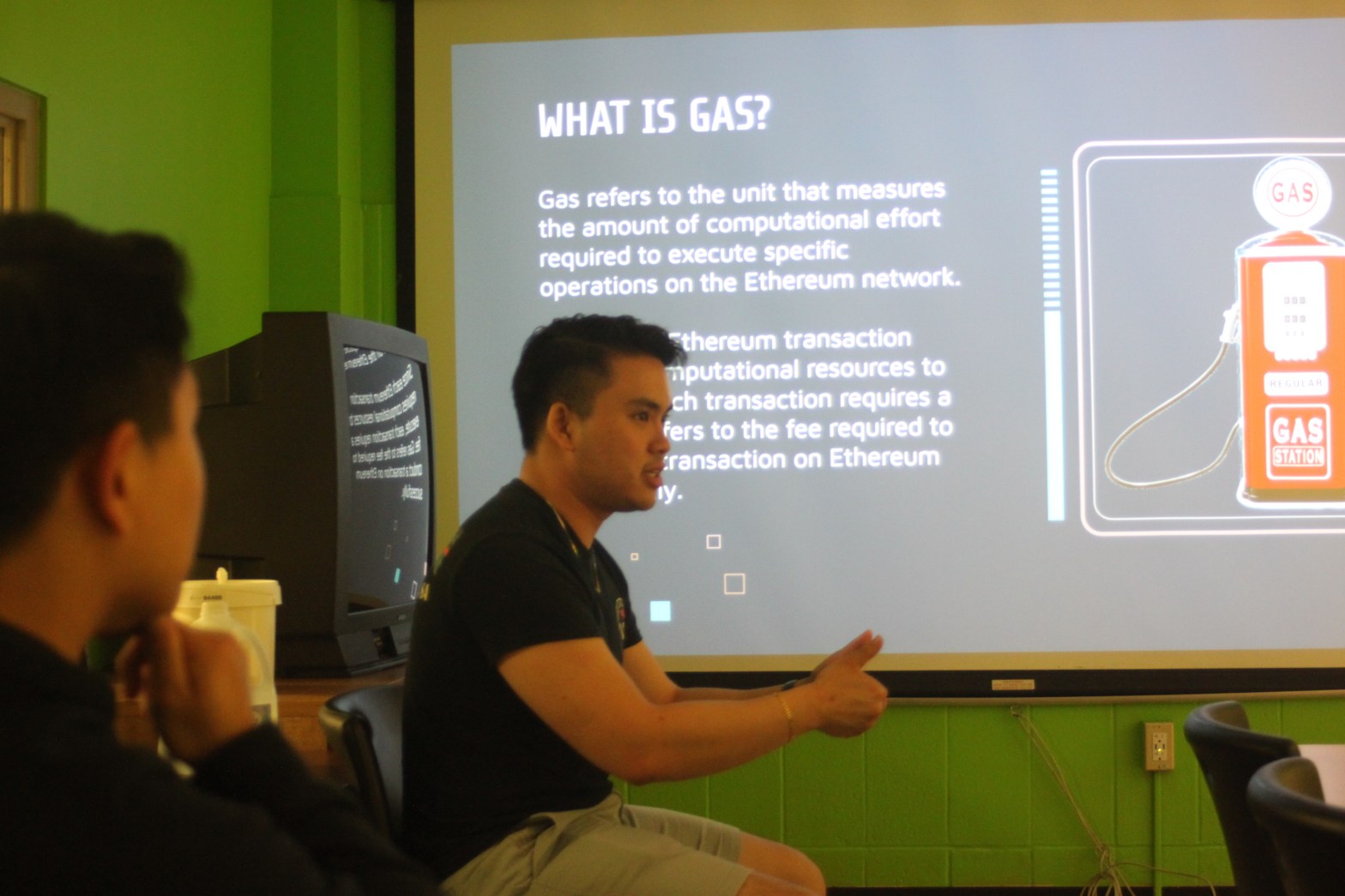
With cryptocurrencies becoming more prevalent, crypto, NFTs, and blockchains are gaining more global use and popularity. Brothers Thanh and Tien Nguyen wanted to bring a part of the crypto world to Lamar. They founded the Blockchain Student Society in the fall of 2021.
“Simply put, if you want to know what crypto or Blockchain is then it is a new paradigm of the internet,” junior computer science major Tien said. “It’s a new way to think about how structures are set up today, in terms of government and business.”
The Port Arthur brothers were first inspired to get into crypto by their mother, who was the first person to push their curiosity further into the crypto interest sphere through Bitcoin. The youngest brother, Tien, first wrote off Bitcoin as a scam.
“I found out it’s more than the mainstream headlines– Bitcoin is a digital asset that’s scarce, cannot be replicated, and is somehow worth thousands of dollars,” he said. “It’s a revolutionary technology that shows how digital assets have scarcity and can be used to transfer assets across time and space in a very efficient way versus how we have it now.”
Bitcoin is one kind of cryptocurrency that the brothers believe is a good starting stone for newcomers to start learning about these new concepts.
“We have a lot of people here that have never even heard of Bitcoin but they know the name from somewhere– they have no idea what it is,” Tien said. “If you’re just starting out and feel like you’re left behind or that it’s moving very quickly, don’t be discouraged. There’s always something new coming out.”
Recently, non-fungible tokens have been on the rise, which is one example of a digital asset that BSS teaches about.
“Non-fungible means it is not replicable or easily replaced, so NFTs are just a way to create digital tokens that are unique from each other,” senior mechanical engineering major Thanh Nguyen said. “So an example of something that is fungible is a dollar and something that is not easily replaced or irreplaceable would be the Mona Lisa– you can’t just redraw it and even if I tried to redraw it stroke by stroke, the museum in Paris isn’t going to take mine.”
The organization primarily uses Discord to stay connected and communicate.
“We were just talking about crypto one day, and then he(Thanh) came up with the idea,” Tien said. “Lamar doesn’t really have blockchain or crypto stuff related to it. ‘What if we can bring that blockchain aspect to Lamar and get Lamar plugged into the future of the internet?’”
Other large universities like the University of Houston have student organizations and classes for blockchain development, but Lamar didn’t yet have a single student org before BSS, Tien said.
“We wanted to bring an organization that allows for a community of students, professors, and anyone interested to get into a space to learn about it, get interested, and interact with the space safely and efficiently,” he said. “Right, and also teach them the mistakes that we’ve made in the past where we’ve lost money as well.”
Since the org began, around 300 people have joined the Discord in the span of about 4-5 months and has become one of the largest student org servers at Lamar.
“We’ve seen the students interested in wanting some resources to go to, people to talk to, mentors, connections, and networking,” Tien said. “We’ve seen BSS go from a very small organization to growing at a very rapid pace.”
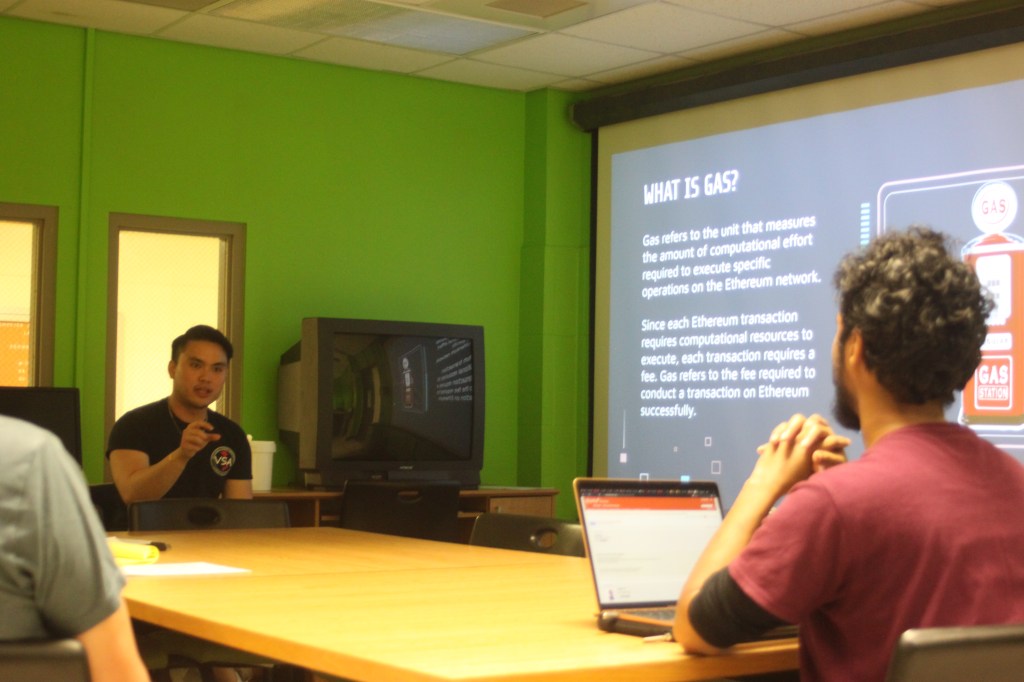
Some of the BSS activities include monthly giveaways for active discord members, random draw giveaways for Bitcoin, game nights, Crypto and Bitcoin meetups, weekly Blockchain101 seminars, one-on-one mentoring, and trading events.
“Ask questions– People are afraid to ask questions in general. There aren’t any dumb questions,” Thanh said. “Anyone new, just ask questions and focus on learning.”
BSS was originally created by students for students, but anyone with an interest in crypto can join.
“BSS could potentially become a talent pool for recruiters and employers since you know you aren’t just a computer science, business, or art student,” Tien said. “You’re a BSS member and being part of an organization that focuses on cutting edge new technology could allow you to have an advantage over other people.”
Most BSS events are educational and students who join can buff up their resumes to help them stand out.
“A lot of things went really fast, but I don’t think they’re going fast enough,” Thanh said. “We don’t think we’re doing enough honestly but overall I’m satisfied with it (BSS).”
Big achievements BSS has had so far are a Blockchain Expo, one Redtalk, and most recently the organization won the New Student Organization of the Year award.
“I know people look up to me when I say I’m co-founder so they expect me to have honest knowledge,” Tien said. “BSS is not just an organization that allows people to communicate and have a community, it’s also personally for me a way to push myself to learn about the space so I can be a good representative for others who are interested.”
For Thanh, the current president of BSS this semester, the meaning of crypto and digital assets is liberation and regaining control.
“This is the most liberating tech we have and this is giving the world an opportunity to take back their own power,” Thanh said. “To me, it’ll just be a way of life in the future and we won’t have to think about it.”
In the near future, BSS hopes to create a sister chapter at a different university, increase member engagement, create their own discord currency for members, secure more organization funding, and gain at least 400 members by the end of the semester.
“We have over 300 students on the discord and yet we see maybe three to seven of them (in person),” he said. “It’s never an easy thing and building a community is pretty hard.”
Blockchain and crypto does have its risks. For example, a person who uses MetaMask to store their cryptocurrencies will be responsible for their master key phrase, which is a series of 12 words generated for the user. If another person gains access to the master key phrase, then they will gain complete access to the user’s wallet and funds.
“You don’t need to put in your social security number or go to a bank, you just need the internet and some kind of device to connect to the internet,” Tien said. “If you have a Bitcoin wallet, then you can receive money from anywhere across the world in under ten minutes.”
The brothers do feel that many people have misconceptions about the space, especially when it comes to newer forms of digital assets such as NFTs or that the space is full of scams.
“The misconception is that scams and stuff are rampant, but in actual numbers, it is less than 1% of the entire activity,” Thanh said. “It’s not as bad as people think–it still shouldn’t happen but that’s the current battle.”
The risks within the crypto space are not always obvious but education, not giving away your key phrase, not investing more money than you’re willing to lose, keeping an open mind, asking questions, and being wary of things that seem too good to be true can help you avoid losing money to scams, theft, or needless mistakes.
“I think people have some bad misconceptions of crypto and things like NFTs, at least in the very beginning, some with good reasons and not so good reasons,” Tien said. “If they’re open to it, I can show them just how much good can be done, not just what good that has been done.”
Every Monday in the Maes Building, room 208, BSS will hold a Blockchain101 teaching seminar from 12:30 p.m – 1:30 p.m for any who wish to attend until the end of the spring semester.
“If you’re interested in learning about the future of the internet, how crypto could affect your career, or investing in crypto, join BSS,” he said. “We’ll get you started– we’ll tell you what it is and if you’re not interested, it’s fine. It’s not everyone’s cup of tea but at least give it a shot before dismissing it.”
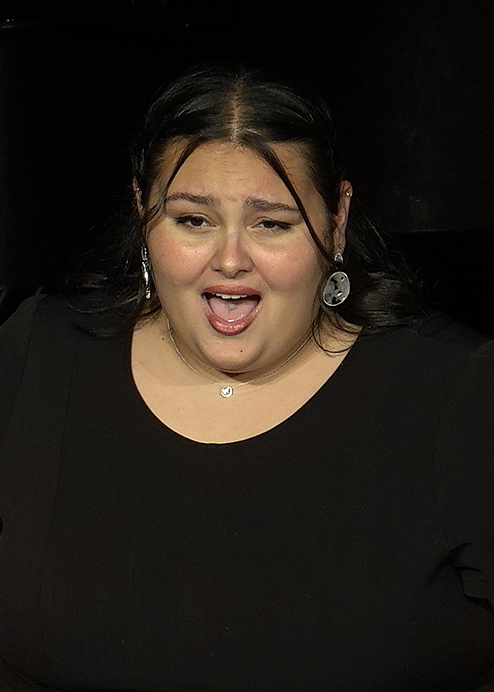
Liberty sophomore Faith Singh is pursuing her dream career of choir director with her love of music and singing. She was inspired by her high school choir teacher to pursue a degree in vocal music education.
“Christie Bean was a huge influence on my life,” she said. “She showed me you can do something you love while making a difference in others’ lives.”
Singh said she and Bean forged a deep connection through their Christian faith. To this day, they still sing in churches together.
“My ultimate passion is music,” Singh said. “Whether that is teaching others, or doing it myself, that is what I love. (There’s) something about the way it feels to get on a stage to perform and to provoke a response from the audience — whether it is bliss or shock or whatever they are feeling at the moment.”
Singh’s recent favorite hobbies are going to the opera or musical theater.
“To see a full-on opera performance and connect it to what I am learning everyday makes my dreams a reality,” she said. “I can envision my future when I get to observe others doing what I love.”
Singh played clarinet throughout her middle and high school years, and plays guitar at her church every Sunday.
“It is about making the listener feel something,” she said. “I especially love to make music at church, and at that moment, it is not about getting glory for myself but giving glory to God. That is truly the most amazing feeling, to see everyone around you raising their voice without fear or worry.”
She is the president of Lamar’s Student chapter of the National Association of Teachers Singing.
“SNATS is an organization for vocal music educators to provide a place to learn and congregate with other students who have the same passions and goals as you,” Singh said. “Some activities that we do are fundraising by selling snacks and water after events held in the music building. We also host guest speakers to come and lecture about topics that we are interested in.”
Singh is currently about music theories, how music can be created, and how to identify problems that might occur during practice or on stage. As a vocal student, she also had to take an English, Italian, German and French diction class.
“This is where we learned how to speak and sing the words that would be in our foreign language pieces,” she said. “We would use something called the international phonetic alphabet to write out the sounds and connect each language back to the language that is native to us.”
Two of her favorite classes were a diction class and an opera workshop class, she said.
“In my opera workshop class, we are actually working on putting together an opera for the fall semester,” she said.
Singh initially chose Lamar because it was close to her home and her church. She also likes how the university nurtures a comfortable environment for student-teacher relationships where students can grow and ask as many questions as they want without fear. That aspect of education is very important, she said.
“(College) has truly been a life-changing experience,” she said. “The teachers that I have been working with are incredible people who have impacted my life in one way or another. I have been offered opportunities that I never thought I would receive.”
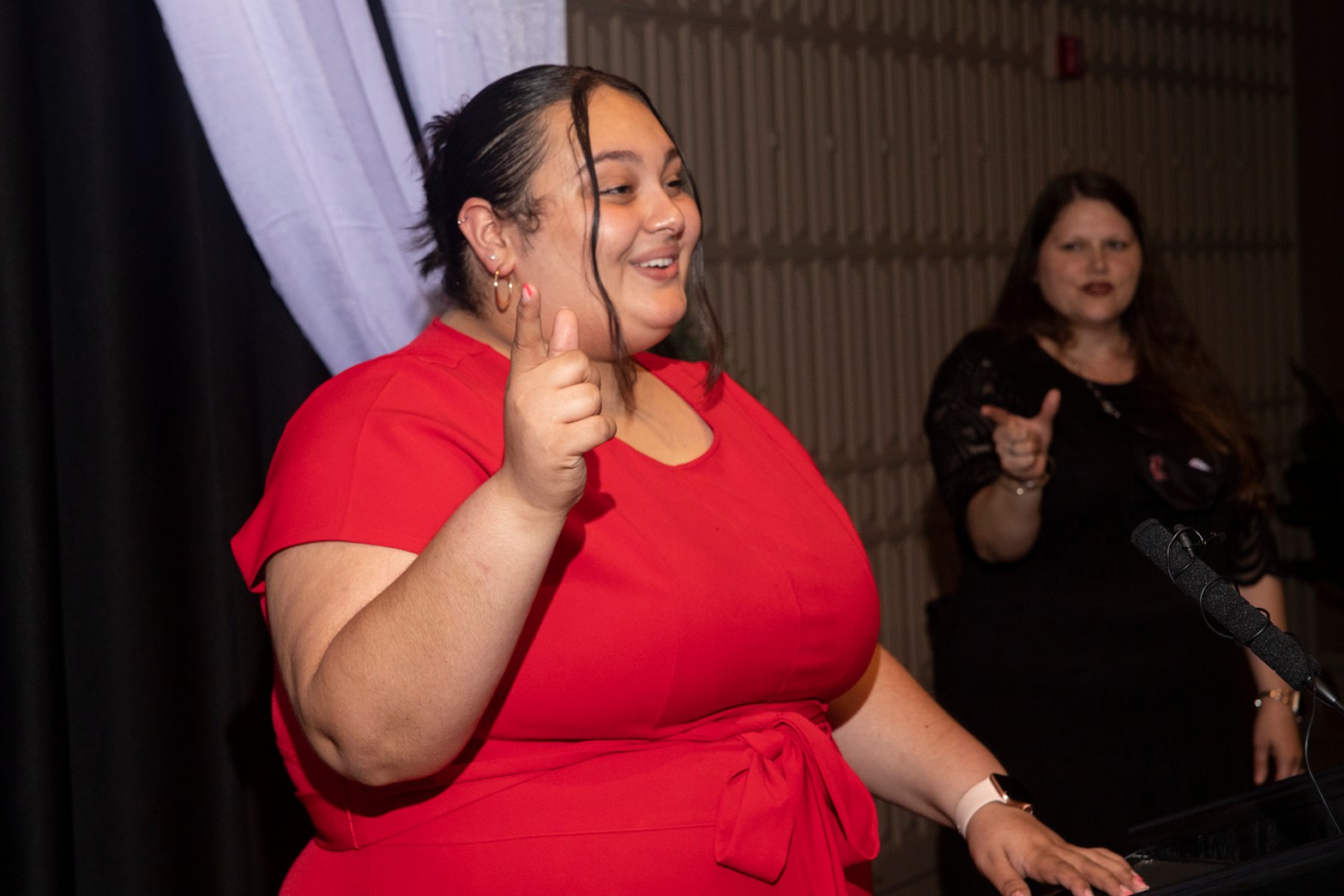
Singh received the title “Voice of Lamar,” which allows her to sing at every graduation or alumni event, and earns her a scholarship.
“To be presented with such a title is an honor and a blessing,” she said. “Some people would probably call me a teacher’s pet or goody-two-shoes, but I do not take offense because I know my work ethic.”
In her spare time, Singh loves to binge-watch Netflix, hang out with her friends and dabble with photography. Above all, her favorite pastime is shopping with her sister.
“It is not even about the shopping,” Singh said, “We sing in the truck and just talk, and it is a moment where we are not just sisters, but we are people who confide in each other.”
Singh describes herself as a hard worker and perfectionist.
“Sometimes it can be a bad thing for my self-esteem, but it makes me stronger and want to be better,” she said.
Although Singh considers herself to be loud and have a chatty personality, she also values moments of silence where she can look at things from a new perspective or different angle.
“I like to listen to others and make them feel heard.” she said. “Kindness can get you further than a negative attitude. By showing that you care, you can provoke the same attitude from the other person.”
Singh aims to become a choir director at a high school after graduation. Eventually, she plans to earn masters and doctoral degrees for vocal music education. Ultimately, she would like to become a vocal instructor at a university or teach private lessons.
“It’s easy to find joy in each class because it is something I truly enjoy doing,” she said.
Now that COVID has been around for about two years in the US, several students feel that they still shop online at around the same rates as before the pandemic.
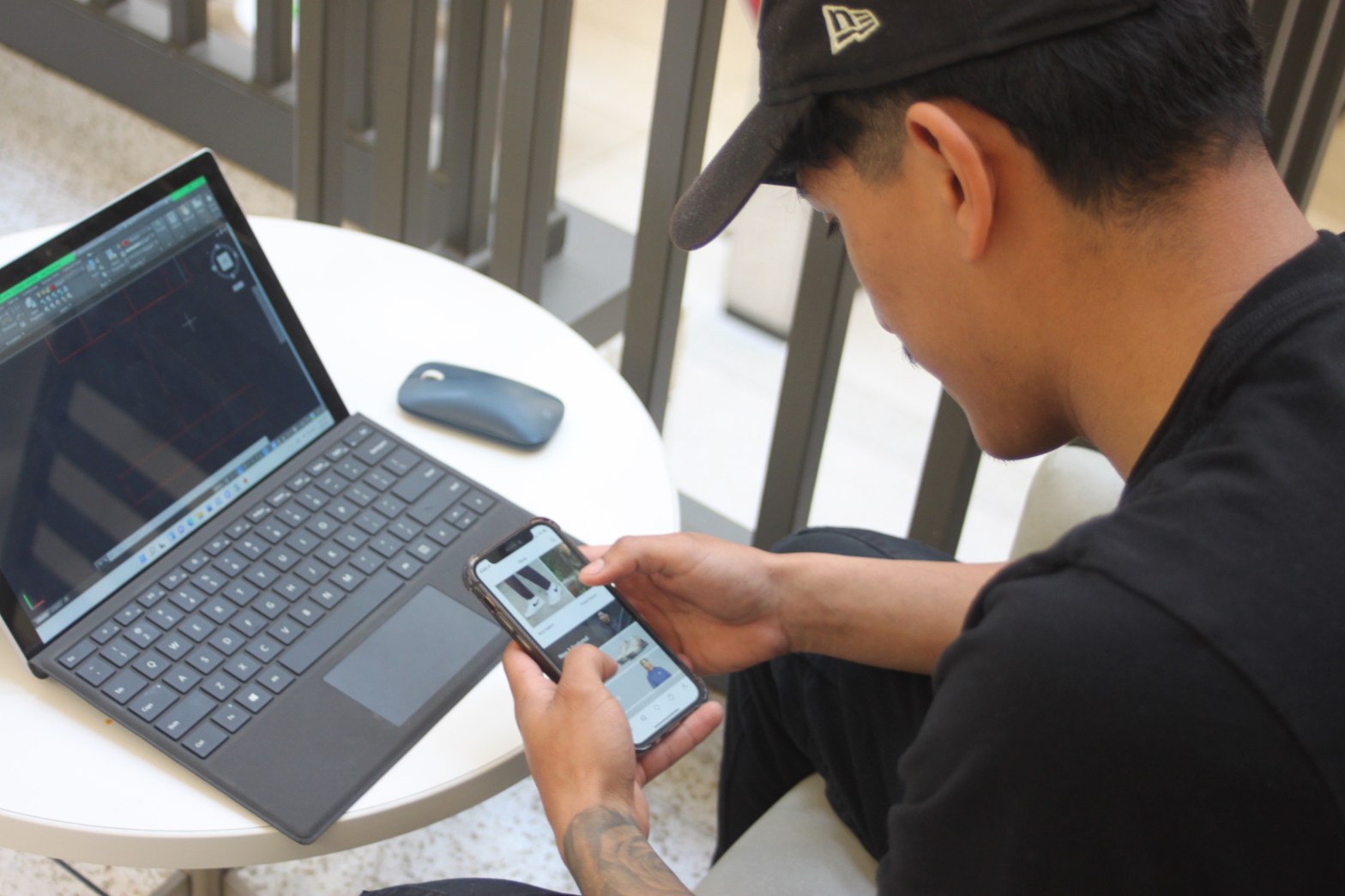
“Shopping online is not something I like to do but I just do it every now and then,” Lumberton sophomore Joel Jimenez said. “I’m always looking at stuff online but online shopping is not something I constantly do since I’m already not much of a shopper either.”
Before COVID hit the US, the civil engineering major said he did a bit less shopping then. However, since COVID has waned, he has started to do it a bit more often. He prefers to order items related to shoes, sports, and shirts.
“I think it’s more risky online,” he said. “It could go 50/50 online– I’d rather be in person and shopping at a store than online. I always want to try on clothing first before buying and when I buy something, I want to get it then and there at the store rather than wait. I don’t want to deal with sending something back and getting my money back. (Purchases online) might not look like it’s picture, it might not fit, there are sketchy websites, and returning something in the mail can just be a hassle.”
Orange freshman Cameron Guyote said he used to shop much more online than he does now and currently feels he is more of an online window shopper than buyer.
The cybersecurity major said he didn’t start shopping more online because of COVID. He tends to purchase electronics online.
“I still look at stuff online and check out the prices on different things that I might be looking for,” he said. “When I was building my computer, it was like on a daily basis. I was checking sites, checking prices, seeing if any of them would drop, and seeing if there’s any discounts that came out or anything like that.”
Guyote said he doesn’t have a preference for shopping online or in person. Instead, he feels it is more of a case by case basis, preferring to go to the place that has what he is looking for.
“If you need something online, you just have to buy it,” Guyote said. “There is a wider variety of things, it’s more accessible, and there are more options to pick from.”
His most memorable shopping experience online was when he finally bought the last piece he needed to start building his computer — a graphics card that cost about $500. The combined total of all the computer parts cost him about $2000 he said.
“It was just a really big deal because that computer means a whole lot to me and having it finally finished and ready to go,” he said. “That was a really big moment for me.”
Nederland junior Micheala Howard said she is not much of an online shopper.
“I’ll do it if I have to and I feel like it’s a little bit exhausting,” Howard said. “I’ll shop online like two or three times a month.”
Since COVID, she has started to shop online a bit more, especially for items such as clothes, textbooks, shoes, and skin care.
“Sometimes I go on apps but I don’t usually buy anything,” the English major said. “I just like to browse, kind of like browsing a digital magazine.”
When it comes to shopping for items like clothes or food, Howards said she tends to prefer going to an in-person department store and use online shopping mostly for items she needs that her local stores don’t have.
“I don’t really believe in buying groceries online because you never know when the due dates are,” she said. “When I go to the store in person, I can physically check.”
Lumberton freshman Alex Paulino said he is all for online shopping.
The mechanical engineering major sometimes uses various platforms to shop or browse, such as the Facebook Marketplace or buying directly from people from ads on apps like Instagram.
In one of Paulino’s experiences, when he had bought a truck from the Facebook Marketplace, he arranged the meeting to be in person and paid in cash, he said.
The Facebook Marketplace is similar to Ebay. Users can start conversations with each other in order to arrange payment or a meeting.
He said did not shop as much before the pandemic, mainly because he was younger and didn’t have as much money. Now, he tends to shop online about once a month.
He tends to buy clothes, hats, or accessories.
Overall, the students said that they all tend to window shop online rather than just making a purchase and that the pandemic did not really affect how much they shopped online.
“Shopping online is easier, it saves gas money, there’s a broader range of things you can buy, and I like to just look at my options,” Paulino said. “The anticipation of it coming in the mail – Like waiting for something bought online to come in is probably the best thing compared to going in and buying it at the store.”


 Ambour Leal