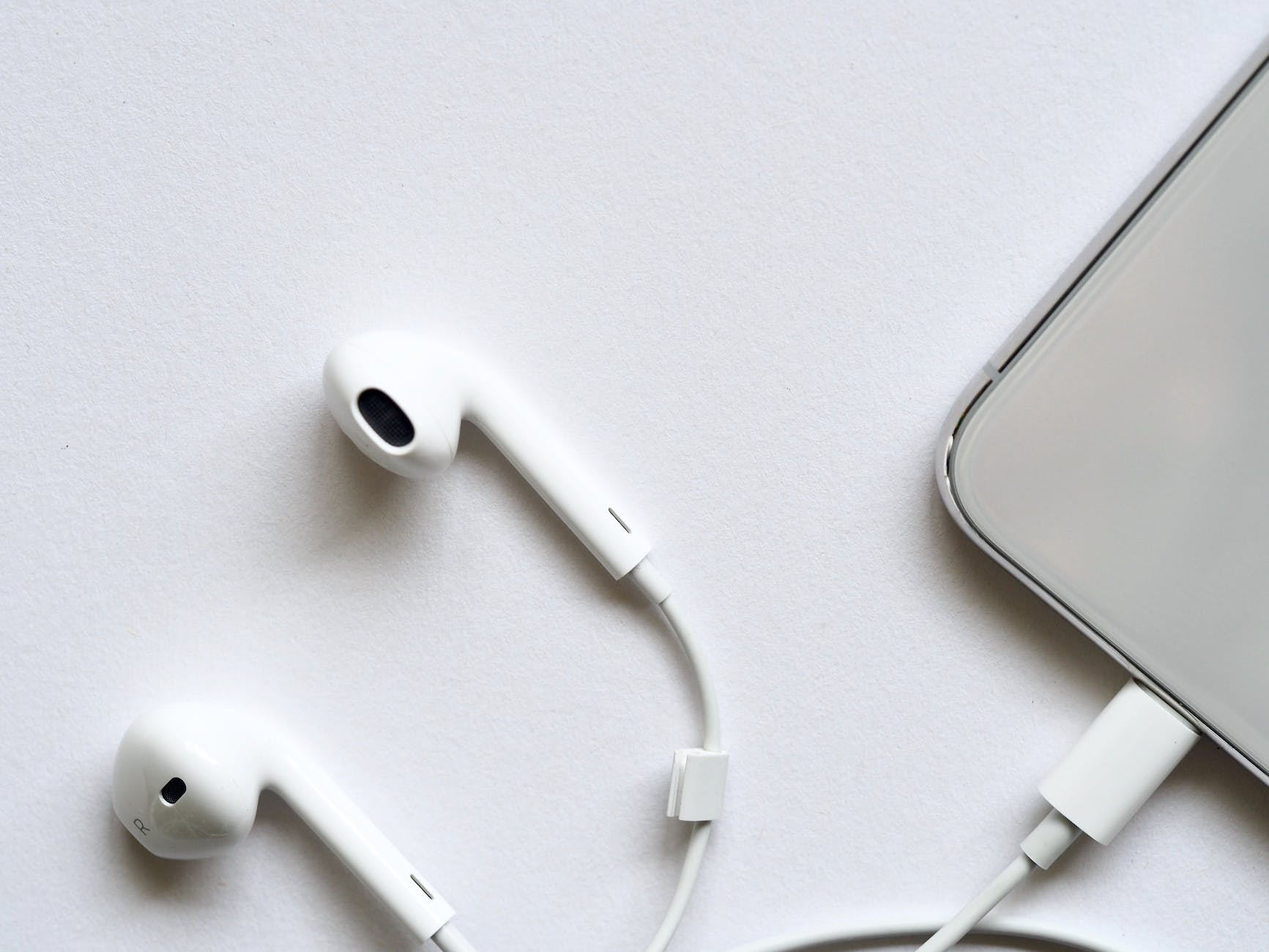
Listening to loud music with headphones daily will lead to slight or severe hearing loss over time. Most teenagers suffer from slight or severe hearing loss in our modern age. The article I chose did cite outside sources and research to back up its claims, such as how as much as thirty-three percent of teens with some degree of hearing loss has increased since 1994 and this info is from a published study by the American Medical Association (Heffernan, 2011). Further statistics from this source shared by the article state that many modern teens seem to have trouble making out certain sounds such as falling raindrops and certain consonants due to their hearing loss (Heffernan, 2011). However, the article pulls information from more than one source, which does strengthen its main argument, such as referring to an older 2008 European study that pointed out that people who listen to MP3 Players, smartphones, or iPods at high volumes regularly are at a high risk of having permanent hearing loss after a duration of five years (Heffernan, 2011). Since many teens in countries like the US nowadays have more access to headphones and devices which allows them to listen to music at high volumes for as long as they please, they are more susceptible to hearing loss today than several decades ago.
Toulmin Essay: An Argument Against Headphones
In our modern age, as of 2022, technology has become a vital and common aspect of our daily lives, at least for the US and other first-world countries like it. Technology is much more accessible to people of all classes and backgrounds, at least compared to several decades ago. Nowadays, it is very common for the American youth of today to have devices like smartphones, tablets, and computers from which they could access the internet, communicate, listen to music, and do a plethora of other things. With headphones, they could privately listen to whatever music or sound they want, at various levels of volume. Teens today suffer from hearing loss from regularly blasting sound from their devices through headphones.
The article points out a study done by the Journal of the American Medical Association which shares the startling figure that there has been a 33 percent increase in the amount of teens who have slight hearing loss since the 1900s (Heffernan, 2011). Furthermore, since the 1990s, with children now growing up with more advanced technology and the use of smart devices and headphones is the norm, experts associate this slight hearing loss with consistent headphone use (Heffernan, 2011). Even if a person does not play music on their headphones, sound is still sound. Anyone with common sense would know that blasting sound with headphones too loudly is bad– but that alone is not the only thing to be concerned with when it comes to headphone users. Whether it is listening to a video clip online, a podcast on an app, or anything that has some sort of audio, consistently listening to that said audio on a daily or semi-daily basis can still lead to hearing loss. Another study done in 2008 found that teens who consistently used headphones to listen on their devices for more than an hour a day risked permanent hearing loss after five years (Heffernan, 2011).
The connection to hearing loss and headphone use to listen to sound is clear. Headphone users that listen to some sort of sound on a daily or semi-consistent basis could also deal with hearing loss after a prolonged amount of time. There are two possible solutions– if one decides to take some kind of action. Headphone users should try to reduce how often they use headphones to listen to sound in an effort to protect their hearing rather than quit cold turkey or they can play whatever audio they want to listen to out loud (Heffernan, 2011). Both solutions can help headphone users protect their hearing and take some measures to do so. After all, even if a headphone user doesn’t want to give up their headphones that easily, the next best thing is moderation. One may also wonder whether sound played too loudly without headphones can also lead to hearing loss– of course it can. However, consistently playing any kind of audio at a reasonable decibel level aloud is more ideal than listening to audio with headphones– as pointed out by the studies mentioned in the article.
Citation:
Heffernan, V. (2011, January 7). Against headphones. The New York Times. Retrieved October 4, 2022, from https://www.nytimes.com/2011/01/09/magazine/09FOB-medium-t.html
 Ambour Leal